

Mixing Valium with Alcohol: Why It’s a Risk You Shouldn’t Take
Start your road to recovery in a comfortable, serene, and compassionate space. Bright Futures Treatment Center offers you the opportunity to make a fresh start.
Published:Jul 17. 2025


Valium (also known as diazepam) is one of the most frequently prescribed benzodiazepines in the U.S. It’s used for anxiety relief, easing muscle spasms, controlling seizures, and even assisting patients in alcohol withdrawal. Meanwhile, alcohol is a widely consumed substance. Both are familiar and common, yet both carry significant risk. And when taken together, their combined effects can be dangerous, because both are central nervous system depressants. That means they slow down brain and body communication, affecting functions we take for granted, like breathing, awareness, and coordination. Because of this, even seemingly small amounts can become lethal when used simultaneously. The tragic reality is that mixing Valium with alcohol isn’t just risky, it can be deadly. If you or someone you love is struggling with substance use, know this: help is available. Facilities such as a rehab center in Florida offer compassionate, evidence‑based care, with no judgment, just help.
What Is Valium and How Does It Work?
Valium, one of the most commonly used prescription drugs in Florida, is part of the benzodiazepine family. These medications amplify the activity of GABA (gamma-aminobutyric acid), a chemical messenger in your brain that calms neural activity. By increasing GABA’s calming effects, Valium slows excessive brain signals, delivering sedation, reducing anxiety, and relaxing muscles. That same action also explains why it’s effective for sleep issues or muscle spasms.
Medical professionals prescribe Valium for:
- Anxiety disorders: helping calm racing thoughts and intense emotions.
- Insomnia: in some cases, when sleep disturbances are related to anxiety or other disorders.
- Muscle tension or spasms: from injuries, such as neck or back strains.
- Seizure control: as a component or emergency option in seizure disorders.
- Alcohol withdrawal: reducing shaking, agitation, and even seizure risk.
But when mixed with alcohol, another CNS depressant, the effects overlap and intensify. Alcohol also boosts GABA activity, so when taken together, the dual impact on brain function can drown vital signals, like those regulating breathing, heart rate, and response to danger.
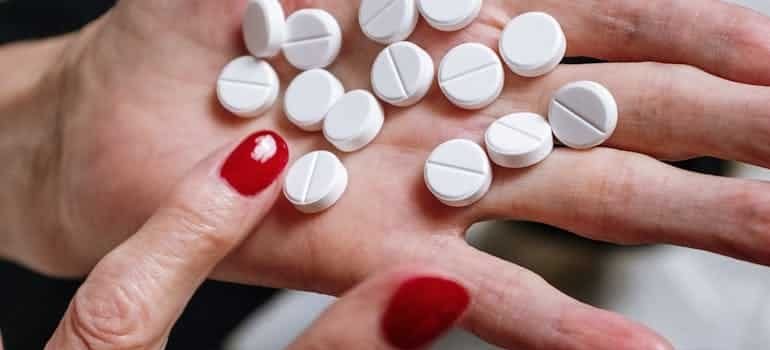
Physical and Cognitive Risks of Mixing Valium and Alcohol
Mixing prescription drugs with alcohol is dangerous. It can have immediate, severe effects on your brain and body. When taken together, the effects of Valium and alcohol don’t simply add up; they intensify one another in unpredictable ways. What may seem like a low dose of Valium and a single glass of wine could lead to terrifying consequences, especially if your tolerance is low or if the substances interact unexpectedly due to timing or other medications.

Why the combination is so dangerous
A major misconception is that the danger only exists with heavy use. But in truth, even a low dose of Valium (2–5 mg) and a glass of wine can trigger dangerous effects.
1. Profound Drowsiness and Sedation
Separately, both Valium and alcohol can make you feel sleepy. Together, they can sedate you so heavily that you fall asleep unexpectedly, in inappropriate or unsafe environments. This level of sedation makes driving, operating machinery, or even walking down the stairs dangerous.
2. Dizziness and Poor Coordination
The CNS-suppressing effects of both substances drastically impair your motor skills. Your brain struggles to send and receive the signals needed for basic physical coordination. This leads to swaying, stumbling, or falling. Many people report slurred speech, inability to walk straight, or disorientation after taking even a small amount of both.
3. Memory Loss and Blackouts
Valium can interfere with the brain’s ability to form new memories, especially when taken in higher doses. Alcohol has a similar impact. When combined, they significantly increase the likelihood of blackouts or periods of amnesia.
4. Confusion, Slowed Thinking, and Impaired Judgment
Mixing Valium and alcohol affects your brain’s frontal cortex, the area responsible for decision-making, emotional control, and impulse regulation. People often report feeling “foggy” or disconnected from reality, unable to think clearly, and more prone to impulsive actions.
5. Slowed Breathing (Respiratory Depression)
This is one of the most dangerous risks. When the brain is too sedated, it may “forget” to signal the lungs to breathe regularly. This condition can cause breathing to become slow, shallow, or stop altogether. It often happens while someone is sleeping or unconscious, making it hard to catch early.
6. Lowered Heart Rate and Blood Pressure
Your cardiovascular system also slows down when you mix these substances. This can cause fainting, dizziness, and in extreme cases, cardiac arrest. If you already have a heart condition or take medications that affect your blood pressure, you’re at even higher risk.
7. Loss of Consciousness or Coma
If your body can’t handle the load, it may simply shut down. The combination of Valium and alcohol can push you past the tipping point, especially if the Valium has been building up in your system over time (due to its long half-life). People can go from feeling sleepy to fully unconscious in a matter of minutes, often without warning.
Prescription drug abuse is on the rise nowadays, and that’s why if you or your loved one needs support, just know that help is always available.

The Hidden Danger: Valium’s Long Half-Life
A critical detail that often goes unnoticed: Valium stays in your system for a long time, up to 48 hours, sometimes longer. And it doesn’t just vanish. Its breakdown products (metabolites) can still cause sedation. So even if you’re not “actively” taking it, residual amounts linger in your brain and bloodstream.
This means:
- You might feel fine, then have a glass of wine or a mixed drink later that day.
- That single drink could reopen dangerous interactions because Valium is still doing its work.
- With repeated use, Valium accumulates, and tolerance increases, which often leads people to escalate use of both substances unknowingly.
The result: even low doses taken simultaneously can have compounding effects, moving into a lethal zone when neither substance seems “high.”
Overdose Risk and Life-Threatening Consequences
Combining benzodiazepines like Valium with alcohol significantly increases overdose risk. Food and Drug Administration, poison control centers, and emergency departments have documented thousands of cases where this combination pushed individuals into respiratory depression, coma, or death.
Warning signs of overdose:
- Extremely shallow, irregular, or slowed breathing
- Unresponsiveness or inability to awaken
- Bluish lips or fingertips (cyanosis) is a sign of oxygen deprivation
- Pinpoint pupils and sluggish reflexes
- Slow or erratic heartbeat
These aren’t theoretical risks. A recent national survey showed benzodiazepine‑alcohol combinations among the top categories for alcohol‑related overdose ER visits. And just a few years ago, research data indicated nearly 30 % of fatal benzodiazepine overdoses involved alcohol, often at levels judged “modest” by themselves.
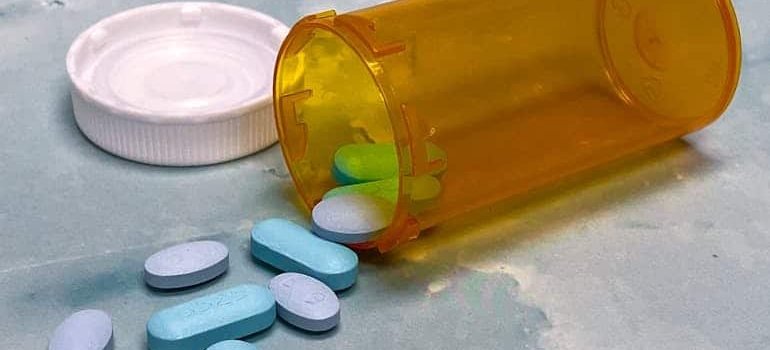
Why People Mix Valium and Alcohol, and Why It Backfires
No one intentionally puts their life at risk. Mixing Valium and alcohol is often about relief. For many people, this combination starts as a way to feel better, not worse.
But what starts as a shortcut to relief can quickly turn into a fast track toward dependency, danger, and deeper emotional struggle.
Common Reasons People Mix Valium and Alcohol
1. To Feel More Relaxed
Life can be overwhelming. Many people turn to substances to cope. Valium is already designed to reduce anxiety and promote calm. But this “enhanced calm” can lead to dangerous sedation, impaired breathing, or blackouts within an hour.
2. To Escape Emotional or Physical Pain
Pain, mental or physical, can drive people to seek numbness. When emotional wounds run deep, people often self-medicate. Taken together, Valium and alcohol can provide a sense of detachment. But this coping method doesn’t heal anything; it delays it. The original pain remains.
3. To Intensify a Buzz
Some people mix the two intentionally to amplify the effects of both. A glass of wine with a Valium might produce a quicker “high” or stronger sedative effect.
4. Because of Misunderstanding or Habit
In some cases, people don’t realize how dangerous the combination is. They may take a prescribed Valium in the afternoon, forget about it, and have drinks later in the evening. This is especially common in people prescribed Valium for insomnia, anxiety, or muscle pain.
The Real Cost: How This Combo Backfires
What starts as a moment of relief can easily spiral into something darker. Mixing Valium and alcohol affects the mind, mood, and behavior in profound ways.
- Reduced Impulse Control
- Increased Risk of Addiction
- Greater Mental Health Struggles
- Masking a Larger Problem
Often, mixing Valium and alcohol is a symptom of something bigger: unresolved trauma, unaddressed grief, untreated mental illness. People reach for relief, but what they really need is help. That’s why combining substances is often a red flag for substance use disorder or a dual diagnosis condition, when addiction and a mental health issue coexist.

What to Do If You or Someone You Know Has Mixed Them
Your response matters, and fast action can save a life.
Recognize overdose symptoms
- Extremely slow or absent breathing
- Unconscious or responding only to pain or shaking
- Blue lips, confusion, inability to stay awake
Call for help immediately
- Dial emergency services right away. Mention the mix of benzodiazepines and alcohol, which informs medical responders to prep naloxone or other breathing support.
- Stay by the person’s side. If vomiting occurs and they’re unconscious, gently roll them onto their side (the recovery position) to keep the airway clear.
After immediate intervention
- Advise avoiding more use.
- Encourage follow-up medical evaluation, even if they “seem okay.”
- Seek professional help, through a doctor, rehab, or mental health counselor.
Conversations with family or friends
- Approach carefully: “I’m worried about your safety” is better than blame.
- Share info calmly: help them understand why the risk isn’t just uncomfortable but dangerous.
- Offer support: help locate a program, go with them, stay connected through the process.
When Mixing Becomes a Dependency
There’s a line between occasional misuse and addiction, and it can be crossed fast.
Warning signs of co-dependence:
- Needing both substances regularly just to feel “normal”.
- Tolerance increases, needing more to achieve the same effect.
- Experiencing withdrawal symptoms when attempting to cut back: sleeplessness, anxiety, nausea, tremors.
- Thoughts spiral around craving the feeling of that mixture.
When people rely on both to perform daily tasks, emotions, or sleep, that’s not use, it’s dependence. The emotional symptoms (anxiety, guilt, shame, isolation) often tell us they need extra support and aren’t going to break free on their own.
Dual diagnosis reality
Mental health issues (like depression, PTSD, anxiety disorders) are often drivers behind substance use. A comprehensive dual diagnosis treatment is an essential approach that treats mental health and substance use together, not separately.

Getting Help: Safe Paths to Recovery
If you or someone you care about is caught in this dangerous cycle, drug rehab in Florida is a great way to seek help.
Why cold‑turkey detox is dangerous
- Stopping benzodiazepines suddenly can trigger severe withdrawal: seizures, delirium tremens, or even death.
- Alcohol withdrawal alone can be life-threatening; adding Valium complicates it further.
- Detox without medical monitoring is risky, which is why professionals suggest Florida prescription drugs addiction treatment
Safe treatment options
An outpatient program in Florida can offer flexible support, therapy sessions, medical check-ins, and group counseling, all while patients live at home.
Tailored care pathways
For more tailored care, you can always choose an addiction treatment center in Florida that best matches your problem.
Why professional help matters
- Gradual tapering: Medical support helps reduce risk every step of the way.
- Aftercare planning: Therapy, peer support, and mental health monitoring within a substance abuse treatment center in Florida keep you safe from relapsing.
- Dual-diagnosis integration: Treating both the emotional and physical side ensures long-term success.
Preventing crisis
Seeking help early, even before a full-blown emergency, makes rehabilitation smoother and less traumatic. You don’t have to wait for rock bottom.
It’s Not Worth the Risk
Here’s the plain truth: there is nothing safe in mixing Valium and alcohol. These substances multiply each other’s effects on your brain and body. Sedation becomes suffocation, relaxation crosses into unconsciousness, and a casual sip or pill can turn catastrophic. On the surface, it may feel like a shortcut to calm or escape, but the hidden reality is that it’s an invitation to disaster. The brain chemistry doesn’t distinguish between a “small amount” and “too much.” Once you mix them, you’ve crossed a dangerous threshold. But the real ending to this story doesn’t have to be tragedy. The bright side is that recovery is within reach. You don’t need to wait for a crisis. Ask for help sooner. A day after deciding to get help is already a day closer to a safer, clearer life. Recovery is entirely possible, and it can be lasting, enriched, and empowering.
Contact Us
Gallery






 Get Started