

Aftercare
Start your road to recovery in a comfortable, serene, and compassionate space. Bright Futures Treatment Center offers you the opportunity to make a fresh start.


The hard work that’s crucial for staying sober begins in our outpatient program – but it doesn’t end there. A good and structured Aftercare program is necessary if an individual wants to ensure long-term well-being and sobriety. While there are no guarantees when it comes to recovery and life after rehab, studies show that relapse is much less likely to happen if a person continues to receive appropriate care. At Bright Futures Treatment Center, we ensure that you are provided with as much help as necessary in your life post-treatment. Our substance abuse treatment center in Florida facility is here to give you the support and reassurance necessary to know that you got this. Don’t hesitate to give us a call and receive tailored help from our therapists and counselors.

Aftercare in Bright Futures Treatment Center shapes your early recovery
Attending an Aftercare program is an important part of early recovery. The days that come after finishing your treatment program could be scary. Even if they are not something you are scared to go through, they will be filled with many firsts. The first time when you had to sit in a room where other people were drinking. The first time you had to say no to a family gathering where you knew there would be some temptation. And the first time when you were on the brink of relapsing. Usually, what makes the difference between those people who manage to stay on the right course and those who fall off of it is this program.
At Bright Futures Treatment Center, we aim to stay in touch with all clients who have attended treatment with us. While they are attending treatment, we develop special relationships with all of our clients. That’s why we have created an Aftercare program that aims to provide sufficient help, ensuring optimal recovery.
The aftercare program at Palm Beach promotes long-term sobriety
Substance abuse is a cunning, baffling, and powerful disease. Those who suffer from severe substance abuse and choose to seek long-term therapeutic treatment are likely to live a life of long-term recovery. Our Aftercare and Alumni program was created to encourage our clients to stay connected with us after they finish our partial hospitalization program or our outpatient program Florida residents respond well to. This helps our team to continue to assist clients in any way we can. After clients leave us, they may be faced with situations they will need extra support with. These programs will give them that extra support. Once a client has attended any level of care, they are always welcome to take part in any alumni activities.

Our facility knows that almost every recovering addict will, sooner or later, be close to a relapse. If a person tries to go through the temptations by themselves, they can slip up and experience a setback in their journey. Keep in mind that a relapse isn’t the end of the road for you, and you can definitely come back from it. However, it’s always better to work on securing that you don’t get there in the first place. With constant support from your peers and specialized care from our therapists, you will be much closer to resisting temptation. Besides, any good drug rehab Florida program will teach you some healthy coping skills and mechanisms that will be built upon during Aftercare.
Get a tailored treatment plan with Bright Futures specialists
Before clients complete the program, they will work with their therapist on an Aftercare Treatment Plan. This will help set clients up for success once they are no longer clients. The trick is in assessing an individual’s needs and discovering what works best for them. When it comes to addiction and recovery, there’s never a one-size-fits-all approach, and every good drug and alcohol rehab Florida center will always focus on the individual needs of their clients.
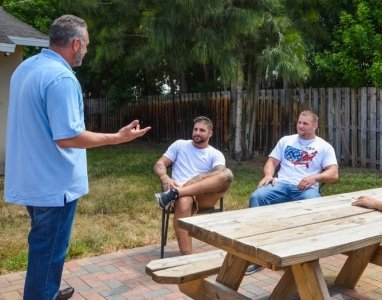
At Bright Futures Treatment Center, we emphasize the importance of our Aftercare program. Our Alumni program meetings are held once per week. The Alumni group organizes outside activities to help our clients stay connected and learn the importance of fellowship. Not only does this keep the clients plugged into Bright Futures Treatment Center’s community, but it also gives them additional support from their peers. Bright Futures Treatment Center encourages our Alumni to attend activities organized for our clients to show that it works if you work it.
One of the main benefits of our Alumni meetings is the fact that you can form some valuable friendships. Not only will you get to reconnect with the people who have attended treatment at the same time as you did, but you can also meet others whose timelines weren’t the same as yours. But just because someone has been in a heroin rehab Florida facility a year or two before you doesn’t mean that you can’t learn a lot from them. Quite the contrary – you might be able to learn what to expect a few years down the line, or you might be the one to impart wisdom to another person. Either way, you’ll be the one on the receiving end.

Aftercare is an important part of sobriety
The Bright Futures Treatment Center team values our alumni, and we appreciate their continued connection with us. Our goal for our Aftercare program at Palm Beach is to continue to assist our clients with maintaining recovery from substance abuse and continuing their Relapse Prevention techniques. The Aftercare program also assists clients in creating relationships and gives them a sense of purpose. We believe that Aftercare is an important part of early recovery because the first year of sobriety can be difficult. The changes of being out of treatment and into the community can impose different challenges for different people. Our Aftercare program continues to help our clients build themselves as healthy, sober, strong members of the community. However, there are still some challenges you would need to overcome, even in aftercare.
Overcoming Challenges in Aftercare
Setbacks during the aftercare phase, such as cravings, triggers, and isolation, are common challenges. To manage them:
- Accept setbacks as part of the recovery process and learn from them.
- Use coping strategies like relaxation techniques, distractions, and reaching out for support.
- Adjust expectations and be realistic about the ups and downs of recovery.
- Reflect on underlying factors and patterns contributing to setbacks.
- Focus on the present moment to alleviate anxiety and stay grounded.
By implementing these strategies, you can navigate setbacks while staying committed to your recovery journey. You will also want to adopt several self-care and wellness practices and celebrate your milestones.
Self-care and wellness practices
Self-care holds immense significance in maintaining your overall well-being, as well as in building a strong support system in Palm Beach post-rehab. It encompasses a range of activities that nourish your physical, emotional, and mental health. By learning how to identify and avoid anxiety triggers and incorporating self-care into your daily life, you can enhance your recovery journey and cultivate a balanced and fulfilling lifestyle. Here are practical suggestions to incorporate self-care activities:
- Prioritize exercise as a crucial aspect of self-care.
- Embrace mindfulness and meditation practices
- Dedicate time each day to quiet your mind, be fully present, and cultivate inner peace.
- Engage in activities such as painting, playing music, gardening, or writing to tap into your creativity and promote relaxation.
- Establish a consistent sleep schedule and create a sleep-friendly environment.
- Consume a balanced diet rich in fruits, vegetables, whole grains, and lean proteins.
- Set boundaries and learn to say no.
- Cultivate connections with supportive individuals.

Incorporating self-care into your daily routine is pivotal. Experiment with these suggestions, listen to your body and mind, and adapt as needed. Prioritizing self-care nurtures your overall well-being, reinforces your commitment to long-term recovery, and helps you lead a fulfilling life in sobriety.
Celebrating milestones
Celebrating milestones and recognizing personal achievements in recovery is of paramount importance. It reinforces motivation, boosts self-esteem, and highlights the progress you have made on your journey. Finding meaningful ways to acknowledge your accomplishments can provide a sense of fulfillment and encourage continued growth. Consider the following suggestions:
- Set Goals: Establish realistic and achievable goals aligned with your recovery journey. Break them down into smaller milestones and celebrate each milestone you reach. This helps maintain focus and provides a sense of accomplishment along the way.
- Journaling: Keep a journal to document your thoughts, feelings, and progress in recovery. Reflecting on past entries allows you to recognize how far you have come and serves as a reminder of your resilience and determination.
- Reward Yourself: Celebrate your wins with meaningful rewards. Treat yourself to something you enjoy, such as a favorite meal, a relaxing day at the spa, or engaging in a special activity. These rewards reinforce positive behavior and create a sense of well-deserved recognition.
- Share with Supportive Others: Share your milestones and achievements with your support network. Whether it’s friends, family, or peers in recovery, celebrating together strengthens your bonds and allows others to acknowledge and appreciate your progress.
- Practice Gratitude: Take time to express gratitude for the progress you have made. Write down or verbally acknowledge the things you are grateful for in your recovery journey. Gratitude reinforces a positive mindset and fosters a sense of fulfillment.
Continue to work with qualified professionals and therapists
During your stay in crack cocaine rehab centers, you had the privilege of working with top-notch professionals. Your therapists were backed up by years of experience and many degrees and licenses. At least, that’s what the therapists in our center have. Once you get used to the support that you receive from them, it can be challenging to cope once you lose it. Luckily, you don’t ever have to use it, as those same professionals are the ones working in our Aftercare program in Palm Beach.

Even though this program usually takes place in groups, you don’t have to worry. Your individual needs are still going to remain our priority. Our therapists know how to dedicate sufficient time to every person so that they feel special. And it doesn’t matter how many clients we have at the moment – every client is at the center of attention. All of that is just the tip of the iceberg of what our therapists with state licenses have to offer.
Contact Bright Futures Treatment Center for ultimate support post-rehab
Your life post-rehab can be very difficult – especially when it comes to that first year. While it might be difficult to stay on the right path, it’s certainly not impossible. Feel free to contact us to ensure that you get as much help and support as you need during this time. Bright Futures Treatment Center wants to ensure that you successfully maintain your sobriety in the long run. That’s why we have put an Aftercare program at your disposal. With the help that you get from our therapists, you’ll have the best chances of preventing relapse.
FAQ
What Types of Skills Can I Learn During Aftercare?
Aftercare programs often focus on life skills that support long-term sobriety, such as time management, stress reduction techniques, financial planning, and building healthy routines. These skills are essential for creating a stable and balanced life post-recovery.
What If I Feel Disconnected or Unmotivated After Leaving Treatment?
It’s common to feel uncertain or unmotivated after leaving a structured environment. Aftercare programs are designed to keep clients connected to their recovery goals by fostering accountability, creating social bonds, and offering regular check-ins with supportive professionals.
What Should I Do If I Experience Cravings During the Aftercare Program?
Cravings are a normal part of recovery. Aftercare programs equip clients with tools to manage them, such as reaching out to a sponsor, practicing grounding exercises, or using relapse prevention strategies. Having a plan in place ensures that cravings don’t lead to setbacks.
Can Family Members Participate in the Aftercare Process?
Involving family members in aftercare is often essential. Family therapy and support services play a key role in mending relationships, educating loved ones about addiction, and fostering a home environment that encourages long-term recovery.
What Makes Aftercare Crucial for Addiction Recovery?
Aftercare program ensures that individuals have the support needed to transition from treatment to everyday life. Reinforcing the skills developed during rehab helps reduce the risk of relapse and provides ongoing guidance for navigating real-world challenges.
Contact Us
Gallery





 Get Started