

First Responders Rehab
Start your road to recovery in a comfortable, serene, and compassionate space. Bright Futures Treatment Center offers you the opportunity to make a fresh start.





In the line of duty, first responders encounter unparalleled stressors that make them susceptible to mental health disorders and addiction. In our state of Florida and across the nation, first responders grapple with substance use, PTSD, and other ailments at higher rates than the general population. At Bright Futures Treatment, we’ve noticed this worrying trend and taken a stand for our communities. Our specialized programs cater to the distinctive needs of these brave individuals, offering the first responders rehab Florida trusts. By addressing their unique challenges, we provide a comprehensive and compassionate path to recovery, tailored to their demanding roles. At Bright Futures Treatment Center, we steadfastly support those who dedicate their lives to safeguarding our communities.

Who Are First Responders?
First responders are the frontline heroes who swiftly and selflessly provide immediate assistance during emergencies. Comprising paramedics, firefighters, police officers, and emergency medical technicians, they play pivotal roles in safeguarding lives and property. These dedicated professionals are the first to arrive at the scene of accidents, natural disasters, and crises, offering essential medical care, rescue operations, and security measures. It follows, then, that their rapid response and quick decision-making directly influence the outcomes of dire situations.
That said, the well-being of first responders is intrinsically linked to the well-being of the communities they serve. Their physical and mental health directly impacts their ability to ensure public safety. This makes their plight even more concerning and urgent, beyond their impact on themselves.
By recognizing their unique challenges and offering targeted support, we honor their sacrifice and resilience, ensuring that they can continue their critical mission while maintaining their health and vitality. In standing ready as the first responders rehab Florida trusts, we do our small part toward helping them and their families.
The Unique Challenges of First Responders
Indeed, first responders confront an array of distinct challenges that put them at risk for addiction and mental health issues. Among others, consider the following main ones:
- The constant exposure to traumatic incidents, life-or-death decisions, and high-pressure environments exerts an unparalleled toll on their psychological well-being.
- The need to rapidly adapt to unpredictable situations while maintaining composure can lead to chronic stress and emotional exhaustion.
- The culture of stoicism prevalent among first responders can hinder the open expression of emotions, thus making it difficult to process traumatic events.
- Irregular and demanding work schedules disrupt personal lives, hampering relationships and self-care.
These cumulative stressors increase the susceptibility to conditions like anxiety, depression, post-traumatic stress disorder, and substance abuse. Acknowledging these unique challenges is crucial to providing the targeted care, support, and addiction therapy that first responders need to navigate their demanding roles while safeguarding their mental and emotional health.

Understanding the Link Between Trauma and Addiction
Evidently, the intricate link between trauma and addiction is a significant concern, particularly for first responders. It is also highly related to dual diagnosis, as we’ll discuss next. Experiencing traumatic events in the line of duty can trigger a cascade of psychological distress, often leading to mental health struggles. In an attempt to cope with the emotional pain, first responders rehab Florida centers often find that some first responders resort to “self-medicating” with substances. The allure of numbing the distressing memories and emotions associated with their experiences can compel individuals to turn to drugs or alcohol as a means of escape. However, this coping mechanism ultimately exacerbates the underlying issues and intensifies their psychological burden.

As a result, addressing the trauma-to-addiction pathway through trauma-informed therapy is pivotal in aiding first responders’ recovery. Tailored interventions within specialized programs play a crucial role in providing holistic support. By understanding the connection between trauma and addiction and offering effective strategies for healing, these programs aim to break the cycle and empower first responders to regain control of their lives and well-being.
Dual Diagnosis and Co-Occurring Disorders
Following mental health burdens, co-occurring disorders are a common occurrence among first responders. NIDA dubs this phenomenon “dual diagnosis”, and it involves the simultaneous presence of mental health and substance abuse issues.
The demanding nature of their work, often involving exposure to trauma, can lead to intertwined challenges such as PTSD and addiction. Addressing these complexities is paramount. Effective treatment, as offered by the first responders rehab Florida trusts, recognizes that isolating mental health or substance abuse concerns neglects the underlying connections. These specialized programs provide a comprehensive approach to recovery by addressing both aspects simultaneously. This approach to dual diagnosis treatment acknowledges that treating one condition while ignoring the other can hinder progress and perpetuate a cycle of relapse.
Understanding the interplay between mental health and addiction is crucial in helping first responders reclaim their lives. By equipping them with coping strategies, psychological support, and rehabilitation tools, these programs empower individuals to break free from the grips of co-occurring disorders, fostering a brighter, healthier future.

Specialized Treatment Approaches
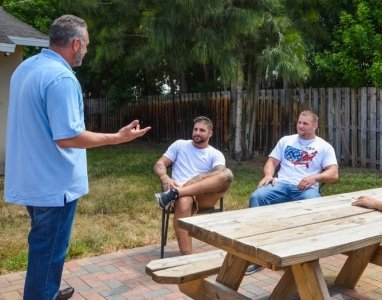
Specialized treatment for first responders encompasses a range of approaches that address their unique needs. Group therapy and peer support, integral components of rehab programs, offer a safe space where individuals can connect with others who understand their experiences. Sharing common challenges fosters a sense of unity and validation, facilitating emotional healing.
Moreover, alternative holistic therapies like art therapy, equine therapy, and yoga provide holistic avenues for recovery. These methods complement traditional treatment by offering innovative outlets for expression, stress reduction, and self-discovery. Art therapy allows for nonverbal processing of trauma, equine therapy promotes trust-building, and yoga aids in managing anxiety.
The combination of these diverse approaches creates a comprehensive framework that addresses the multifaceted needs of first responders. By tailoring treatment to their distinct circumstances and incorporating these specialized techniques, rehabilitation programs offer an enhanced pathway to recovery, empowering first responders to heal and thrive.
Family Involvement and Support
In the realm of first responders’ rehabilitation, any first responders rehab Florida trusts will attest to the value of family involvement and support. Recognizing that addiction and mental health challenges affect not only the individual but also their loved ones, these programs stress the significance of family support.
Involving families in the recovery process through family therapy and couples therapy helps create a stronger support system, fostering understanding and empathy. Providing resources and education equips family members with insights into the unique stressors faced by first responders, enabling them to comprehend their loved ones’ struggles better. This involvement also aids in repairing relationships strained by the impact of addiction and mental health issues. By nurturing an environment of open communication and support, rehabilitation programs ensure that both the individual and their family members embark on a journey of healing and growth together, ultimately reinforcing the foundation for lasting recovery.

Preventing Relapse and Ongoing Support
The value of peer support shines brightest in relapse prevention, as safeguarding against relapse is a priority for all rehab programs. From as early as during medically assisted treatment, rehab programs equip first responders with a toolkit of strategies encompassing coping skills, stress management techniques, and personalized aftercare plans. By developing healthy ways to navigate triggers and challenges, individuals fortify their resilience and reduce the risk of relapse.
Moreover, the journey towards sustained recovery is upheld through ongoing support mechanisms. Alumni programs, designed to maintain connections formed during rehabilitation, offer a network of understanding peers. Support groups provide a platform for sharing experiences and insights, fostering mutual encouragement. Access to continued counseling services ensures that first responders have a reliable outlet to address emerging concerns, maintain progress, and reinforce coping strategies.
Overcoming Stigma
That said, a tragic element of rehabilitation bears noting. As virtually all first responders rehab Florida centers have discovered and corroborated, the majority of those who need help do not seek it or get it. In many cases, what causes this is undue stigma around addiction and mental health. It often emerges as early as during partial hospitalization programs, which involve a clinical environment, and can prevent brave individuals who did step up from continuing their journey to recovery.
This is why efforts to overcome the stigma tied to seeking help for addiction and mental health concerns is a central focus of Bright Futures Treatment. Despite their dedication and strength, first responders may encounter reluctance to seek assistance due to societal misconceptions. It is thus crucial to challenge these barriers and promote a culture of acceptance and understanding. Encouraging first responders to embrace their well-being as a priority, our programs emphasize that seeking help is a sign of courage, not weakness. Further, by fostering an environment that champions vulnerability and seeks solutions, we empower individuals to confront their challenges head-on without shame.
Addressing addiction and mental health issues requires unity. Through education and open dialogue, we can break down the walls of stigma, ensuring that first responders receive the care they deserve on their path to recovery.

Insurance and Payment Options
Finally, as established professionals in our field, we deeply understand the importance of accessible treatment. Therefore, we work with various insurance providers, and many insurances are accepted in Bright Futures Treatment Center. Our admissions team is dedicated to assisting individuals in navigating insurance options and understanding their benefits. We also provide flexible payment plans for those without insurance to ensure that cost is not a barrier to receiving the help they need. Our goal is to make quality rehabilitation services available to all first responders, empowering them to embark on a path to recovery and well-being.

Bright Futures Treatment is Here For You
In the face of the distinctive challenges that first responders encounter, Bright Futures Treatment serves as a guiding light of optimism and recovery. Our dedicated team understands the unique stressors that make first responders particularly vulnerable to mental health disorders and addiction, and we offer tailored programs for first responders rehab Florida can rely on. With comprehensive approaches that encompass specialized therapies, peer support, and family involvement, we are committed to addressing the multifaceted needs of these brave individuals. By providing a safe space for recovery, we empower first responders to reclaim their well-being and continue their vital roles in safeguarding our communities.
If you or your loved ones need our services, please feel free to contact us today. At Bright Futures Treatment, we are here to guide you on a transformative journey toward lasting health and resilience.
FAQ
Why Do First Responders Require Specialized Rehab Programs?
First responders face unique challenges, including high-stress environments, exposure to traumatic events, and irregular schedules. These factors often contribute to mental health disorders, such as PTSD, and an increased risk of substance use. Specialized rehab programs address these needs by offering trauma-informed care, flexible treatment plans, and therapies designed to support their demanding roles.
Can First Responders Continue Working During Their Rehab Program?
Yes, Bright Futures offers flexible options like outpatient and partial hospitalization programs that allow first responders to balance their work commitments with recovery. These programs are designed to provide intensive support while accommodating their professional responsibilities.
Does the First Responders Rehab Florida Program Address Co-Occurring Mental Health Disorders Like PTSD and Anxiety?
Our first responders rehab includes dual diagnosis treatment, which simultaneously addresses addiction and co-occurring mental health conditions such as PTSD, depression, and anxiety. We provide evidence-based therapies like Cognitive Behavioral Therapy (CBT) tailored to trauma-related conditions.
How Does Rehab Help First Responders Rebuild Relationships Strained by Addiction?
Addiction often impacts relationships with family, friends, and colleagues. Our first responders rehab Florida rehab program includes family therapy sessions and peer support groups to repair and strengthen these connections. These sessions foster understanding, improve communication, and provide tools to rebuild trust and mutual support in personal and professional relationships.
Contact Us
Gallery





 Get Started