

How Do THC Drinks Make You Feel and What Are the Side Effects?
Start your road to recovery in a comfortable, serene, and compassionate space. Bright Futures Treatment Center offers you the opportunity to make a fresh start.
Published:Aug 28. 2025







Cannabis products have evolved beyond smoking, with THC-infused drinks gaining popularity as a smoke-free alternative. Marketed as safer and more discreet, these drinks can actually produce unpredictable effects and carry real risks. So, how do THC drinks make you feel, and what side effects should you expect? Understanding their impact is essential before deciding whether to try them or whether it’s best to avoid them altogether. If marijuana use has become difficult to manage, Bright Futures Treatment Center provides compassionate care and proven support to help you move forward.
What Are THC Drinks and How They Work
THC drinks come in many forms: sparkling seltzers, iced teas, sodas, lemonade, infused juices, and even mocktails. The central ingredient is THC, though some products also contain cannabidiol (CBD) for a more balanced effect. Depending on the brand, a drink might feature:
- THC-only infusions: Designed to provide the psychoactive “high.”
- CBD-only beverages: Marketed for relaxation without intoxication.
- Full-spectrum blends: Containing THC, CBD, and other cannabinoids for an “entourage effect.”
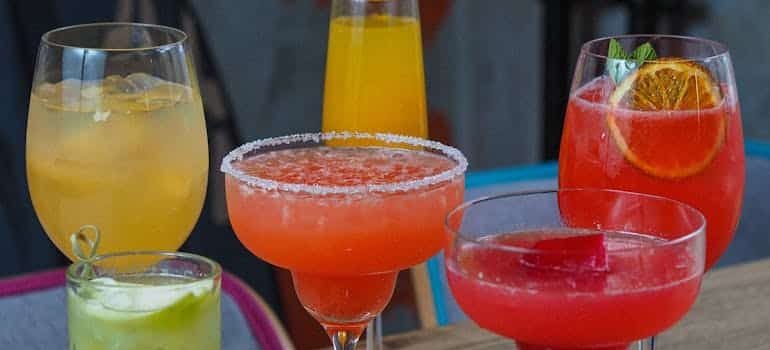
Because THC is not naturally water-soluble, manufacturers use nano-emulsification or specialized oil blends to break down THC into tiny particles that mix with liquid. This process allows the body to absorb THC more quickly compared to traditional edibles.
Still, the absorption method matters. When you drink THC, it passes through your stomach and liver before entering your bloodstream. Unlike smoking or vaping, where effects are almost immediate, cannabis beverages typically take 15 to 60 minutes to kick in. Labeling can also vary widely: some bottles contain just 2–5mg THC for beginners, while others may have 20mg or more, which can easily overwhelm inexperienced users.
How Do THC Drinks Make You Feel?
One of the biggest questions people ask before trying cannabis beverages is: what do they actually feel like? The answer is not as straightforward as it may seem, because everyone processes THC differently. Genetics, tolerance, body weight, diet, and even mood at the time of use can all influence the outcome. Still, some common patterns are reported by most users.
The Typical Timeline of Effects
Let’s see what the typical timeline of effects with weed water is:
- Initial Onset (15–60 minutes): After sipping a THC drink, the first sensations are often subtle. Some describe it as similar to the feeling of having a glass of wine. Others, however, report no noticeable effect at first, which can lead them to drink more too quickly.
- Rising Effects (1–2 hours): As the THC is absorbed, effects often peak in intensity. This may include enhanced sensory perception (colors seem brighter, music feels deeper, food tastes better), physical relaxation, and a slight shift in how time is experienced. Some people find this stage fun and engaging, while others can feel overwhelmed if the dose is too high.
- Peak Experience (2–3 hours): This is where feelings of euphoria, giggling, or “floatiness” are most likely. Users may feel creative, chatty, or simply very relaxed. But it’s also the window where side effects, such as dizziness, paranoia, or racing thoughts, can emerge.
- Comedown (3–6 hours): The high gradually fades, often leaving behind drowsiness or mental fatigue. Some people find this phase peaceful, while others experience “cannabis hangover” symptoms like brain fog, sluggishness, or irritability the next day.

The Range of Emotional Responses
While some people chase THC drinks for their relaxing or social qualities, the truth is that the emotional response is unpredictable:
- Positive: Euphoria, laughter, relaxation, better sleep, and appetite stimulation.
- Neutral: Slight buzz with no dramatic shift, a calm body sensation.
- Negative: Anxiety, paranoia, overthinking, nausea, dizziness, or even panic attacks.
Because of this unpredictability, what feels pleasant to one person may trigger distress in another. For those already dealing with mental health challenges, THC drinks can worsen symptoms instead of offering relief. In such cases, exploring options like dual diagnosis treatment in Florida may provide a safer, long-term path to healing than relying on cannabis.
THC Drinks vs Edibles
THC drinks and edibles (like brownies, gummies, or chocolates) are often compared because both involve ingestion rather than inhalation. On the surface, they appear similar, but when you dig deeper, the differences become clearer.
Speed of Onset
- Drinks: Thanks to nano-emulsification technology, many THC beverages begin working within 15–60 minutes. They bypass some of the slower digestive processes, allowing effects to show up faster.
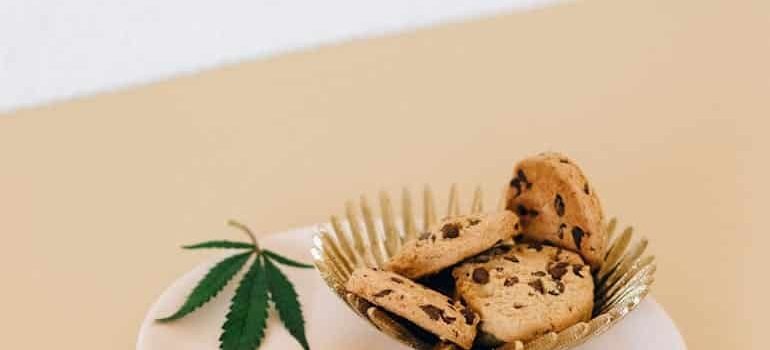
- Edibles: Traditional edibles, like cookies or brownies, typically take 1–2 hours (sometimes longer) to fully kick in because they need to be broken down and metabolized by the liver.
This faster onset makes beverages feel more predictable for some users, but the risk of impatience and drinking more before the effects fully arrive remains.
Duration of Effects
- Drinks: The high usually lasts 2–6 hours. While this is still significant, it’s generally shorter than edibles.
- Edibles: Effects can last 4–8 hours or longer, depending on the dose and a person’s metabolism. Some people even report feeling lingering effects into the next morning after a strong edible.
Intensity and Body Sensation
- Drinks: Often described as lighter, cleaner, and less overwhelming. Because the THC particles are broken down differently, the body may process them in a way that feels less “heavy.”
- Edibles: Known for producing a more intense and sometimes sedating body high. This can be pleasant for some, but overwhelming for others, especially beginners.
Dosing and Predictability
- Drinks: Pre-bottled servings often make it easier to measure intake, though multiple sips can still sneak in higher doses.
- Edibles: Dosing is trickier, especially with homemade products where THC is unevenly distributed. Even with store-bought gummies, people sometimes take too many because of the delayed onset.

THC drinks often create a faster but less predictable high than edibles.

The Psychological Side of How Do THC Drinks Make You Feel
Drinking something is a familiar daily act, so cannabis beverages feel less intimidating to many people. Eating a brownie or candy that contains THC, on the other hand, feels more like a conscious “drug act.” This perception is part of what makes cannabis beverages popular, but also dangerous. As a result, people underestimate their potency.
Both edibles and drinks come with serious risks of overconsumption and unpleasant side effects. While beverages might feel smoother and quicker, they are not inherently safer. For some, they may even encourage riskier behavior due to their accessibility and the temptation to consume more than intended. If you find yourself relying on THC drinks or edibles to relax, cope with stress, or escape, it may be time to reflect on your relationship with cannabis. Programs like marijuana treatment Florida provide healthier tools for managing emotions and building long-term resilience.
Side Effects and Risks
Like all cannabis products, THC drinks come with a range of possible side effects. While some are mild, others can be more serious:
- Mild effects: Dry mouth, red eyes, fatigue, and altered perception.
- Moderate effects: Dizziness, rapid heart rate, anxiety, and paranoia.
- Severe effects (rare but possible): Hallucinations, vomiting, panic attacks, and overwhelming intoxication.
One of the biggest dangers is the risk of overconsumption. Because drinks feel slower than smoking, people may mistakenly believe “nothing is happening” and consume another can or bottle. By the time the full dose hits, the individual may be overwhelmed.
For frequent or heavy users, long-term risks include dependency, impaired cognitive function, and potential impacts on mental health. Research also suggests that marijuana misuse can worsen conditions like anxiety and depression, and even hints at the hidden connection of addiction and self harm. If you or someone you know struggles with cannabis use, seeking help from an addiction treatment center in Florida can make recovery possible.
Safe Consumption Practices
For those who still choose to try THC beverages despite the risks, caution is key:
- Start small: Beginners should look for low-dose options (2–5mg THC).
- Wait patiently: Allow at least an hour before considering another serving.
- Avoid mixing: Combining cannabis drinks with alcohol or sedatives can intensify impairment.
- Stay in a safe environment: Never drive or operate machinery after drinking THC.
But even with precautions, it’s important to recognize that cannabis can be dangerous. Many people underestimate its impact until they experience panic, paranoia, or other unpleasant side effects. If you’re seeking relaxation or stress relief, exploring healthier alternatives like exercise, mindfulness, or learning the benefits of sobriety may be a more sustainable path.
Who Should Avoid THC Drinks
While THC beverages are marketed as trendy and approachable, they are not safe for everyone. In fact, for certain groups, even small amounts of THC can pose real risks. Knowing who should avoid them is essential in preventing harm.
1. Pregnant and Breastfeeding Women
Cannabis compounds, including THC, pass through both the placenta and breast milk. This means a developing baby or infant can be directly exposed to the psychoactive substance. Research has linked prenatal and early exposure to potential problems with brain development, motor function, and attention later in life. For this reason, health professionals strongly advise avoiding cannabis in any form during pregnancy and breastfeeding. Parents need to be aware of the danger of energy drink addiction.
2. People With Heart Conditions
THC can raise heart rate, increase blood pressure, and put additional strain on the cardiovascular system. For individuals with arrhythmias, hypertension, or heart disease, these changes can trigger dangerous events such as palpitations, chest pain, or even cardiac episodes. The relaxing effect of THC drinks may mask these underlying risks, which makes them particularly concerning for this group.

3. Individuals With Mental Health Concerns
People living with anxiety disorders, depression, bipolar disorder, or a history of psychosis may experience worsening symptoms after consuming THC. Even a low dose can sometimes lead to paranoia, racing thoughts, or panic attacks. For individuals predisposed to schizophrenia, cannabis use has been associated with triggering or worsening psychotic episodes. If you or someone you love is struggling in this way, seeking help from an addiction treatment center in Florida can address both mental health and substance use issues.
4. Adolescents and Young Adults
The adolescent brain is still developing, making it particularly sensitive to the effects of THC. Research shows that frequent cannabis use during these years can impair memory, hinder learning, and disrupt emotional regulation. It also raises the likelihood of developing dependency later in life. Because THC drinks look and taste like ordinary beverages, they present an added temptation for underage users—making the risk even greater. Encouraging the mindset that sober is fun can play a crucial role in protecting healthy development during this formative stage.
5. Individuals Who Need to Drive or Operate Machinery
Cannabis impairs reaction time, coordination, and judgment. Drinking THC before driving, cycling, or handling machinery can lead to accidents with potentially fatal consequences. Unlike alcohol, which has more visible signs of intoxication, THC impairment can be harder to recognize, making it even riskier.
6. Those With a History of Addiction
For people who have previously struggled with substance use, THC drinks may trigger cravings or lead to relapse. The casual appearance of cannabis beverages can make them feel less threatening, but they still carry a risk of dependency. Recovery programs, such as marijuana treatment in Florida, provide healthier coping strategies and long-term support.
Legal and Safety Considerations
When asking how do THC drinks make you feel, it’s equally important to consider the legal and safety risks that come with them. Some states permit recreational THC drinks, others limit them to medical use, and many ban them entirely. At the federal level, marijuana remains illegal. Even in states where THC beverages are legal, buying only from licensed dispensaries is essential to avoid contaminated or mislabeled products.
Traveling with THC drinks across state lines can result in legal trouble, and consuming them in public or while driving carries serious penalties. Just like alcohol, “buzzed driving” is impaired driving. As a result, consequences can be devastating.
Drink Responsibly or Do Not Drink at All
Understanding how do THC drinks make you feel means recognizing both the allure and the risks. While some may experience relaxation or euphoria, others face anxiety, dizziness, or dangerous levels of intoxication. Because effects are unpredictable, THC beverages carry real safety concerns. For many, the healthiest option is to avoid them entirely. If marijuana use has become difficult to control, Bright Futures Treatment Center provides proven support to help you break free from dependency and build a stronger future. Don’t leave your well-being to chance—reach out today and take the first step toward lasting recovery.
Contact Us
Gallery






 Get Started