

How Long Does Kratom Stay in Your System?
Start your road to recovery in a comfortable, serene, and compassionate space. Bright Futures Treatment Center offers you the opportunity to make a fresh start.
Published:Jul 30. 2025







Kratom, a plant native to Southeast Asia, has made its way into stores across the United States. As a natural alternative for pain relief, mood enhancement, and even a tool to ease opioid withdrawal symptoms, kratom has gained popularity among people seeking relief without prescription medication. Its appeal lies in the perception that it is “natural,” and therefore safe. Despite being legal in many states, kratom is not without risks. It interacts with opioid receptors in the brain, meaning its effects can mimic narcotic substances, especially in high doses. For some, regular use leads to tolerance and withdrawal symptoms. So, how long does kratom stay in your system? Understanding this is essential. If you’re worried about managing the physical and psychological effects of quitting, seeking support from a substance abuse treatment center in Florida can make a substantial difference in long-term success.
How Kratom Affects the Body and Brain
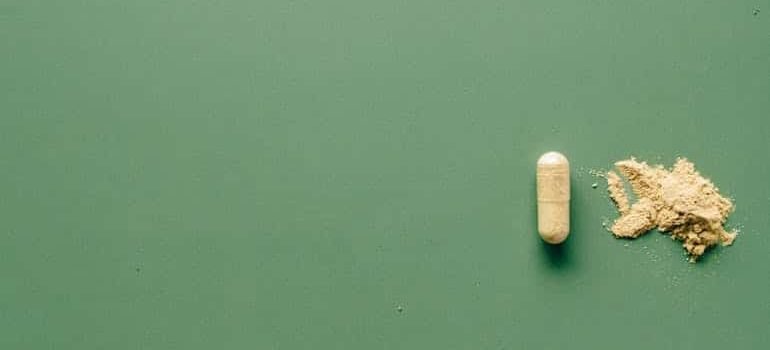
At its core, kratom contains two major active compounds: mitragynine and 7-hydroxymitragynine. These alkaloids interact with opioid receptors in the brain, the same ones affected by prescription painkillers or drugs like heroin. While kratom doesn’t act as powerfully as those substances, it does stimulate similar brain chemistry, which is why it can produce both physical effects and psychological changes.
Low Doses: Stimulation and Energy
In small amounts, kratom acts more like a stimulant. People report feeling:
- More alert and awake
- Mentally focused
- Motivated or productive
- Mildly euphoric or “lifted” in mood
Some users compare it to a strong cup of coffee, but without the jitteriness. Physically, it may cause increased heart rate and a slight elevation in body temperature. It can also suppress appetite, which is why some people use it to manage food cravings or weight.

High Doses: Sedation and Pain Relief
In larger doses, kratom flips the switch and starts to act more like a sedative or pain reliever. At this level, it may cause:
- A feeling of calm or relaxation
- Reduced physical pain
- Sleepiness or heavy limbs
- A warm, content “high” similar to mild opioids
In some cases, users feel emotionally detached or drowsy. This is also where side effects begin to appear, things like nausea, dizziness, constipation, or confusion. It becomes harder to function normally, especially with repeated use.
What It Does Inside Your Brain
Mitragynine binds to the mu-opioid receptors, tricking your brain into thinking it’s receiving a pain-relieving or pleasure-inducing signal. This triggers a dopamine release, which is the brain’s way of rewarding you and reinforcing behavior.
Over time, your brain adjusts. It starts producing less dopamine on its own and becomes reliant on kratom to feel balanced. That’s when dependence begins. Once this balance is disrupted, stopping kratom can lead to emotional and physical withdrawal symptoms: anxiety, restlessness, sadness, or insomnia.

What It Does to the Body
Physiologically, kratom can have several effects, even after short-term use:
- Increased heart rate or blood pressure.
- Liver strain from metabolizing high doses.
- Sweating and dehydration.
- Digestive issues, such as constipation or stomach pain.
- Hormonal changes, including reduced libido or irregular periods, have been reported in some users.
With long-term use, kratom can even cause skin discoloration, weight loss, and tremors. These aren’t immediate or guaranteed, but chronic users report them.
It’s also worth noting that kratom’s effects aren’t consistent from person to person. Some people feel energized and focused, while others feel dizzy or nauseous at the exact same dose. This is because kratom is not regulated, and that is the main difference between synthetic and organic drugs. Factors like strain, freshness, and even how much food you’ve eaten can dramatically change how kratom works in your body.
How Long Does Kratom Stay in Your System?
Understanding how long does kratom stay in the system involves looking at the half-life of mitragynine, which is estimated at 7–9 hours in healthy adults. A drug’s half-life refers to the time it takes for half of the substance to be eliminated from the bloodstream. However, it typically takes five to six half-lives for a substance to be cleared completely. This means kratom could remain detectable in some form for up to 36–50 hours in the average person.
However, in chronic or heavy users, the clearance time can extend significantly, some sources suggest up to 9 days. Why? Because repeated dosing leads to a cumulative effect. The body stores remnants of the substance, and the liver and kidneys must work harder to metabolize and eliminate them.
Factors that influence kratom’s stay in the system include:
- Metabolism rate (faster in younger or more active individuals)
- Body weight and fat content
- Liver and kidney health
- Hydration and diet
- Frequency and dosage of kratom use
Even though many consider kratom to be low-risk due to its legal status and plant-based origin, research increasingly shows that it’s not entirely harmless, especially when used regularly. So, is kratom really safe? The answer depends on context, dosage, and the user’s intent.
Kratom Detection by Method: Blood, Urine, and Hair
For many kratom users, especially those concerned about drug screenings for work, court, or medical purposes, knowing how and where kratom can be detected in the body is essential. Although kratom isn’t part of most standard 5-panel or 10-panel drug tests, it can be identified through specialized testing. These tests look for mitragynine or its metabolites, the primary alkaloids in kratom, and the results vary depending on the biological sample tested.
Let’s break down what you can expect from the most common drug detection methods.
Blood Testing
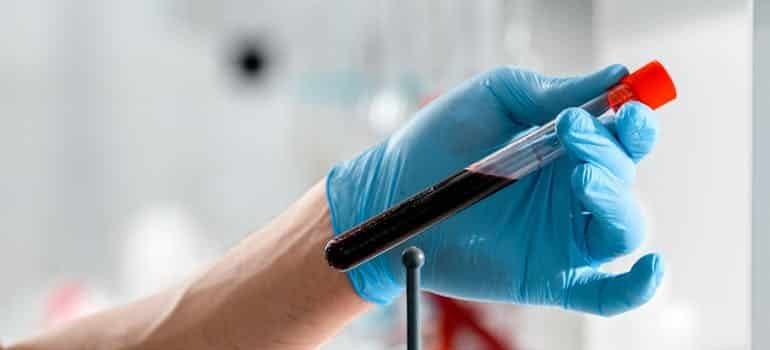
How long does kratom stay in blood depends on the testing method. Typically, mitragynine can be identified in the bloodstream for up to 24 hours after use. In some chronic or heavy users, especially those who dose multiple times per day, this timeframe may stretch to 2 or even 3 days due to accumulation. However, blood tests for kratom are not commonly used, since they require invasive collection, lab equipment, and often need to be administered very soon after ingestion to be effective. They are more likely to be ordered in emergency medical situations, such as overdose or when someone presents to the ER with unknown symptoms.
Urine Testing
Urine is the most common biological sample for drug detection because it offers a balance between accessibility, affordability, and a reasonably long detection window. Mitragynine can generally be detected in urine for 7 to 9 days after the last use in frequent or long-term users. For people who use kratom occasionally or in lower doses, the detection window might be significantly shorter, only 2 to 3 days, depending on metabolic rate and hydration levels. It’s worth noting that kratom detection in urine requires a specific test, such as liquid chromatography-tandem mass spectrometry (LC-MS/MS), which is not included in routine workplace screenings unless kratom is specifically suspected.
Hair Testing
Hair follicle testing can detect substance use over a long period, typically up to 90 days, depending on the length of the hair sample. While hair testing is the most comprehensive method of tracking kratom use, it’s also the most expensive and least frequently ordered. Kratom metabolites get deposited into the hair shaft from the bloodstream and remain there as the hair grows. This method is typically used in forensic settings, child custody cases, or long-term monitoring programs rather than everyday employment screenings.
First-Time vs. Chronic Users
How long kratom stays in your system differs dramatically between first-time users and those with established patterns of use. First-time users with efficient metabolism, good hydration, and healthy liver and kidney function may eliminate kratom quickly. In contrast, chronic users tend to build up stores of mitragynine in fat cells, which take longer to clear.
What to Expect from Kratom Withdrawals Last
Although kratom withdrawal is not as severe as withdrawal from heroin or prescription opioids, it is very real, especially for those who have used it regularly over a long period. Many people mistakenly assume that, because kratom is a plant-based product, it can’t cause dependence. However, regular use causes the body to adapt to the alkaloids in kratom, leading to a physical and psychological need for the substance. So, what does kratom withdrawal look like? And more importantly, how long do kratom withdrawals last?

Withdrawal Timeline: What to Expect
Most users begin to experience withdrawal symptoms within 12 to 24 hours after their last dose. The onset can vary depending on the user’s metabolism, frequency of use, dosage, and overall health. Symptoms typically peak within 2 to 3 days and gradually decline over the next 5 to 10 days. However, some psychological symptoms, like depression or cravings, may persist for weeks or even months, especially in those with co-occurring mental health conditions.
Physical symptoms include:
- Muscle aches and body pain (often described as “restless leg syndrome”)
- Nausea and vomiting
- Sweating, chills, or hot flashes
- Diarrhea or gastrointestinal upset
- Fatigue and low energy
- Headaches
Psychological symptoms include:
- Anxiety and panic attacks
- Irritability or mood swings
- Depression and apathy
- Cravings for kratom
- Insomnia and disturbed sleep
The longer kratom remains in the system, the more prolonged or severe withdrawal symptoms may feel, especially for long-term heavy users. This link between how long does kratom stay in system and withdrawal severity is key in planning safe recovery.
Why Withdrawal Duration Depends on System Retention
How long does kratom withdrawals last? One important thing to remember when asking how long kratom stays in your system is that the longer kratom stays in your system, the longer your body may take to return to normal balance. Mitragynine and 7-hydroxymitragynine linger in fat cells, especially in chronic users, which means the withdrawal process can extend or feel more severe due to the slow, prolonged release of residual kratom. This is why understanding kratom’s half-life and your personal use patterns is so essential. Someone who’s been using high doses of kratom daily for a year will likely have a much longer and more intense withdrawal process than someone who used kratom occasionally for a few weeks.
If your withdrawal symptoms are interfering with your daily life, or if you’re using kratom just to avoid withdrawal, it may be time to seek help through drug treatment in Florida. It’s important to remember that kratom use, although legal, can still evolve into a form of substance dependency that requires real support.

When and How to Seek Help for Kratom Dependence
Not everyone who uses kratom becomes dependent, but for those who do, quitting without guidance can be overwhelming. Warning signs of problematic use include:
- Needing higher doses to feel the same effect
- Using kratom to avoid withdrawal symptoms
- Experiencing mood instability
- Inability to stop even when you want to
Many users hesitate to seek help because kratom is legal in most places. They may believe their use is not “serious enough” to warrant treatment. But legal doesn’t mean harmless, and even substances labeled as safer prescription drugs still carry risk for addiction.
Many people try to quit kratom “cold turkey,” only to find themselves overwhelmed by withdrawal symptoms. This is especially difficult for those who use kratom to manage chronic pain, mental health conditions, or to self-medicate after quitting opioids. In such cases, professional help is crucial, not just to manage symptoms, but to prevent relapse.
Options include:
- Medically supervised detox
- Tapering strategies guided by a professional
- Outpatient or inpatient rehabilitation
- Behavioral therapy and support groups
- Non-addictive medications to ease symptoms
If you or someone you love is struggling, know that there are options for tapering off kratom under medical supervision. Outpatient treatment, medically assisted detox, counseling, and holistic therapy can all play important roles in sustainable recovery.
Don’t Underestimate Kratom’s Lasting Effects
Kratom’s growing presence in the wellness community has made it an accessible and often misunderstood substance. While some find temporary relief through its use, the risks of dependence, withdrawal, and lingering side effects are real. So, how long does kratom stay in the system? The answer varies: from 24 hours in blood, to 7–9 days in urine, and up to 90 days in hair, depending on dosage, frequency, and individual metabolism. What stays even longer, however, are the psychological patterns and physical dependency it can create, especially in habitual users. For many, the first barrier to recovery is denial, especially when dealing with substances that are natural or over-the-counter. But facing the stages of denial during addiction is a vital step toward getting better. Recovery is possible, not just from kratom, but from the conditions that led you there. The first step is awareness. The next is action. Reach out.
Contact Us
Gallery






 Get Started