

Pros and Cons of Using CBD in Recovery
Start your road to recovery in a comfortable, serene, and compassionate space. Bright Futures Treatment Center offers you the opportunity to make a fresh start.
Published:Oct 27. 2024







Interest in using CBD in recovery has increased as more people explore natural options for managing symptoms like anxiety, pain, and sleep disturbances. CBD is often viewed as a supportive tool during healing, especially by those who want alternatives to traditional medications. However, not all reported benefits are fully confirmed, and product quality and legal rules can vary depending on where it is purchased. This has led many individuals in recovery to question whether CBD is a helpful supplement or a potential risk. Let’s take a balanced look at the possible advantages and challenges of using CBD in recovery.
What Is CBD and How Does It Work?
CBD, or cannabidiol, is a non-psychoactive compound found in the hemp plant. Unlike THC, it does not create a “high” or produce intoxicating effects, which is one reason it has gained attention among individuals exploring natural wellness support. When people begin using CBD in recovery, they are often drawn to its potential influence on stress, mood, and discomfort.
CBD interacts with the body’s endocannabinoid system (ECS), a regulatory network involved in emotional balance, pain perception, inflammation, stress response, and reward processing. The ECS communicates through receptors known as CB1 and CB2, which are found in areas of the brain and body that influence mood, cravings, and overall emotional regulation.
Because these same pathways are often involved in the development of dependency and addiction, understanding how they function helps explain why some people explore CBD as a potential support tool during recovery.
Research also suggests that CBD may impact serotonin signaling, which plays a role in mood stability and anxiety regulation. This interaction is one reason some individuals report feeling calmer or more emotionally regulated when using CBD in recovery from physical or psychological stress.

Is CBD Legal?
The legal status of CBD remains complex. Hemp-derived CBD is federally legal under the 2018 Farm Bill as long as it contains no more than 0.3 percent THC. However, individual states continue to enforce their own rules regarding THC thresholds, edible products, and synthetic cannabinoids such as Delta-8. These variations often create confusion for individuals who are considering using CBD in recovery.
The Food and Drug Administration (FDA) still takes a cautious position. The agency has called for a more structured regulatory pathway for CBD in supplements and food products due to ongoing concerns about dosage, safety, and long-term effects. It has also increased enforcement efforts against misleading labels, unverified medical claims, and products containing THC amounts above the legal limit.
Some states, including Florida, have strengthened rules for labeling, manufacturing, and laboratory testing of CBD products, aiming to improve consumer safety and transparency. For people in recovery, this legal uncertainty means it is important to choose products from verified sources, review third-party lab reports, and consult a healthcare provider before combining CBD with prescribed medications.
Overall, CBD should be approached as a supplement that requires careful guidance rather than assumed to be a medically approved treatment.
CBD Research: What the Science Says About Recovery
Research on CBD’s role in addiction and recovery is growing, especially in areas related to cravings, stress response, and emotional regulation. Early human trials have shown that CBD may reduce cue-induced cravings and anxiety in individuals recovering from opioid use, particularly when they are exposed to drug-related triggers. According to the National Library of Medicine, moderate to high doses of CBD appeared to reduce both stress-related symptoms and physiological responses such as increased heart rate.
The same source claims that CBD may affect pathways connected to stress and reward processing. This includes potential modulation of cortisol levels and changes in how the brain responds to cravings under pressure. These findings suggest that CBD could offer psychological support when using CBD in recovery, especially for people who struggle with anxiety or stress-triggered relapse concerns.
However, current studies are still limited in size and duration. Much of the existing evidence is either preclinical or based on short-term trials. Larger, long-term clinical studies are needed to determine whether CBD can consistently improve outcomes in recovery programs or whether it is best used only as a complementary option.
As it stands, research positions CBD as potentially helpful in specific areas of recovery, but not as a replacement for therapy, medication-assisted treatment, or structured clinical support.

Choosing a Safe and Effective CBD Form
Choosing the right form of CBD is important when using CBD in recovery because absorption, safety, and onset time vary depending on how it is taken. Each option may suit different goals, so it is important to understand how each form works before deciding.
Common forms of CBD include:
- Topicals: Applied to the skin and best for localized discomfort. They have minimal systemic absorption, which makes them a safer starting point for beginners.
- Oils and capsules: Taken orally for steady, longer-lasting effects. These are preferred by individuals who want consistent support for anxiety, sleep, or inflammation.
- Edibles: Provide prolonged effects but take longer to activate and may produce inconsistent results based on digestion and metabolism.
- Vapes: Enter the bloodstream quickly through inhalation. However, they carry a higher respiratory risk and are generally not recommended during recovery.
Just as personalized guidance is essential in programs at a rehab center in Palm Beach, selecting a CBD form should be done with a healthcare provider who understands your recovery plan. Always choose products backed by third-party testing and check Certificates of Analysis to confirm purity, potency, and absence of contaminants.
The Bright Side: Pros of Using CBD in Recovery
When using CBD in recovery, some individuals report improvements in both physical comfort and emotional balance. These potential effects are not guaranteed, and responses can vary, but early findings and anecdotal experiences have encouraged many people to explore CBD as a supportive element within a supervised treatment plan.
While CBD is not a cure, it may offer relief in several key areas that often pose challenges during recovery.
Some commonly reported benefits include:
- Support for pain relief
- Help with reducing inflammation
- Relief from anxiety and stress responses
- Support for emotional resilience
- Improved sleep quality
Support for Pain Relief
Pain can be a major barrier in early recovery, particularly for individuals who are healing from injury, post-acute withdrawal symptoms, or physical strain. CBD may interact with the body’s endocannabinoid system, which plays a role in regulating discomfort.
Some people consider CBD a supplemental tool when exploring alternatives to opioid-based medications. For example, individuals who are looking for non-opioid options alongside programs such as those offered at an oxycodone rehab Palm Beach location may use CBD under clinical guidance. While results vary, many report reduced discomfort that allows them to stay more engaged in their recovery.
Help with Reducing Inflammation
Inflammation is a common response to physical stress, injury, or long-term substance use. Preclinical research suggests that CBD may support anti-inflammatory activity by influencing certain immune pathways. This may be especially helpful for those experiencing body aches, joint discomfort, or soreness as they move through recovery.
While more large-scale human studies are needed, some individuals report reduced swelling and greater ease in daily movement. As part of a supervised plan, CBD may support physical comfort and make it easier to stay active during healing.
Relief from Anxiety and Stress Responses
Anxiety is one of the most commonly reported challenges during recovery. The National Library of Medicine suggests that CBD may reduce stress responses and ease anxiety in emotionally triggering situations.
This calming effect may help individuals better regulate their emotions and stay composed in high-risk moments. In certain cases, people find that CBD aligns well with other natural ways to cope with anxiety when recommended by a mental health professional. However, it should not replace therapy or proven coping strategies but may serve as an additional tool for emotional management.
Support for Emotional Resilience
Recovery often requires mental endurance and emotional flexibility. CBD’s potential influence on stress-regulating pathways and mood balance may support more stable emotional functioning. Some individuals report feeling less reactive or overwhelmed, which can improve participation in treatment sessions and daily routines.
Emotional steadiness can play an important role in relapse prevention by helping people stay grounded when dealing with personal triggers or setbacks. While not a substitute for counseling or group support, CBD may contribute to feeling more emotionally equipped throughout the recovery process.
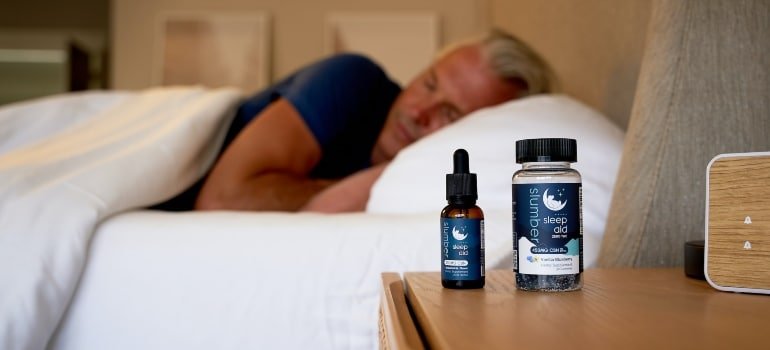
Improved Sleep Quality
Sleep disturbances are extremely common during withdrawal and long-term recovery. Some individuals report experiencing deeper or more restorative sleep when using CBD under supervision.
This is especially important because there are proven connections between sleep and substance use disorders, showing how poor sleep can increase cravings and impact emotional regulation. By supporting better sleep hygiene in combination with behavioral strategies, CBD may help create nighttime consistency that strengthens the overall recovery process.

The Flip Side: Cons of Using CBD in Recovery
Using CBD in recovery may have benefits, but it also involves real risks. It is not always the right fit for every individual. CBD can affect the body in unpredictable ways and may interfere with other parts of the treatment process. Understanding the downsides helps people make safer, more informed choices.
Common concerns include:
- Mild to moderate side effects
- Interactions with prescribed medications
- Poor product quality or contamination
- Psychological dependence risks
- Limited long-term research
Mild to Moderate Side Effects
Some people experience side effects when using CBD in recovery. These may include fatigue, diarrhea, appetite changes, or dry mouth. Although often mild, these symptoms can disrupt daily routines. Someone already feeling emotionally or physically vulnerable may struggle more with these effects.
Side effects can reduce motivation, affect sleep, or cause irritability. If symptoms appear or worsen, it is important to adjust dosage or stop use under professional guidance. Individuals should track their reactions carefully and speak with their provider if discomfort persists.
Interactions with Prescribed Medications
CBD can change the way the body processes certain medications. This occurs because CBD may affect liver enzymes that metabolize drugs. If someone is in a structured program, such as a partial hospitalization program Florida, adding CBD without medical supervision may interfere with existing treatment.
It can increase or decrease the effects of medications used for anxiety, depression, or withdrawal symptoms. This may lead to reduced effectiveness or unexpected side effects. For safety, a medical provider should always approve CBD use when prescription medications are involved in recovery.
Poor Product Quality or Contamination
Not all CBD products meet safety standards. Some items may contain higher levels of THC than allowed by law. Others may include pesticides, heavy metals, or synthetic additives. Inaccurate labeling is also common, which makes dosage difficult to control.
These problems increase health risks and create uncertainty about what the body is actually receiving. Recovering individuals are often encouraged to avoid substances with unclear ingredients. Only products with verified third-party lab reports should be considered. Quality matters because contaminated or misleading products can set back progress in recovery.
Risk of Psychological Dependence
CBD is not physically addictive, but emotional reliance can still occur. Some people may begin to feel they cannot relax, sleep, or cope without it. This mindset can create unhealthy dependency. The risk is higher in people with a history of substance misuse.
For example, individuals who previously needed treatment in a crack cocaine rehab setting may face a higher risk of shifting dependency patterns. In these cases, professionals must monitor usage closely. CBD should support emotional stability, not replace internal coping skills or therapeutic strategies.
Limited Long-Term Research
The effects of CBD are starting to be well understood in short-term use, especially for stress and anxiety management. However, researchers still lack enough long-term data. It is unclear how continuous, high-dose, or extended CBD use affects individuals in recovery.
Questions remain about tolerance, dependency patterns, and how it may influence relapse risk over time. Without long-term evidence, any ongoing use should involve clinical oversight. Caution helps protect individuals from unforeseen consequences and ensures CBD fits safely within a structured recovery plan.

The Art of Timing
Timing and dosage play a major role when using CBD in recovery. It should never be added to a recovery plan without medical input. A provider can determine if CBD is appropriate and safe, especially for individuals taking prescribed medications or receiving medication-assisted treatment.
A common approach is to start low and increase slowly. Many providers recommend beginning with 10 to 20 milligrams per day and tracking how the body responds over one to two weeks. Keeping a record of changes in sleep, anxiety, or cravings can help determine if CBD is useful or if adjustments are needed. This is especially important for individuals who are rebuilding healthy sleep after stimulant use, since sleep rhythm disruption can affect emotional stability and relapse prevention.
Quality also matters. Safe products should have a Certificate of Analysis, show accurate CBD and THC levels, and be free of pesticides, solvents, and artificial additives. Vape products and mixed THC oils are generally discouraged due to safety concerns.
People in structured treatment, such as those in an Adderall addiction rehab setting, often follow tailored guidance on how to introduce any new supplement. CBD should support therapy, not replace it, and it should never be used as a quick fix for relapse triggers.

Decide Where CBD Belongs in Your Recovery Plan
Using CBD in recovery may offer support for symptoms such as anxiety, cravings, or sleep disturbances. Some research suggests potential benefits, but long-term effects and consistent outcomes are not yet fully confirmed. The biggest gains come when CBD is used cautiously, under guidance, and as part of a structured wellness or treatment plan.
Evidence-based programs, such as those offered at alcohol rehab Florida centers, remain the foundation of successful recovery. CBD may serve as a supportive addition for some individuals, but it should never replace counseling, medical supervision, or proven treatment methods.
Contact Us
Gallery






 Get Started